
International Organizations — Notes, Headquarters & GK MCQs
Explore International Organizations for competitive exams — UN, WHO, WTO, IMF, World Bank, UNESCO, UNICEF, NATO, ASEAN, BRICS, G20, SCO and more. Get detailed notes, history, functions, headquarters, member countries and current affairs MCQs in Hindi & English for UPSC, SSC, Banking, Railway and all government exams.
International Organizations Blogs
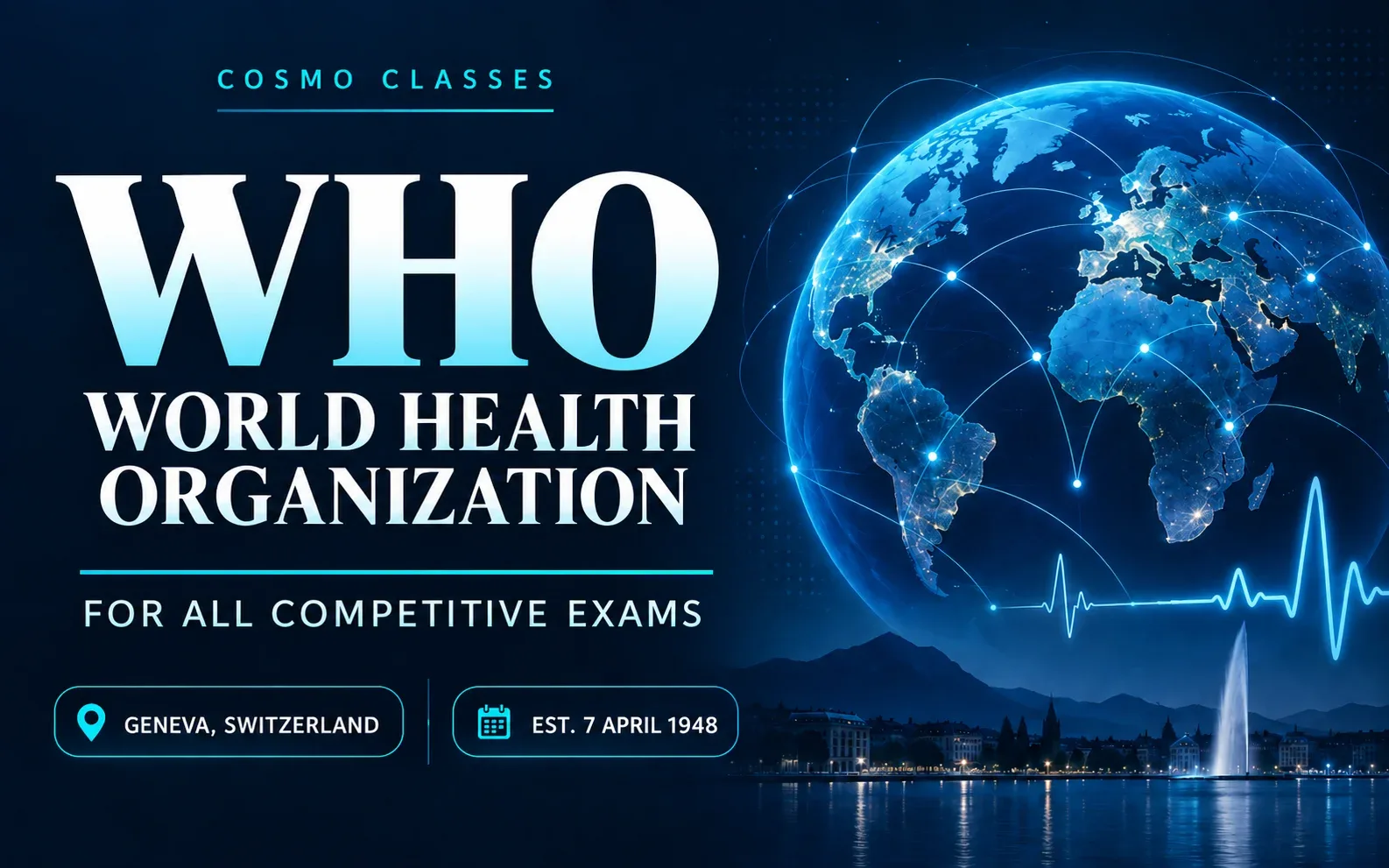
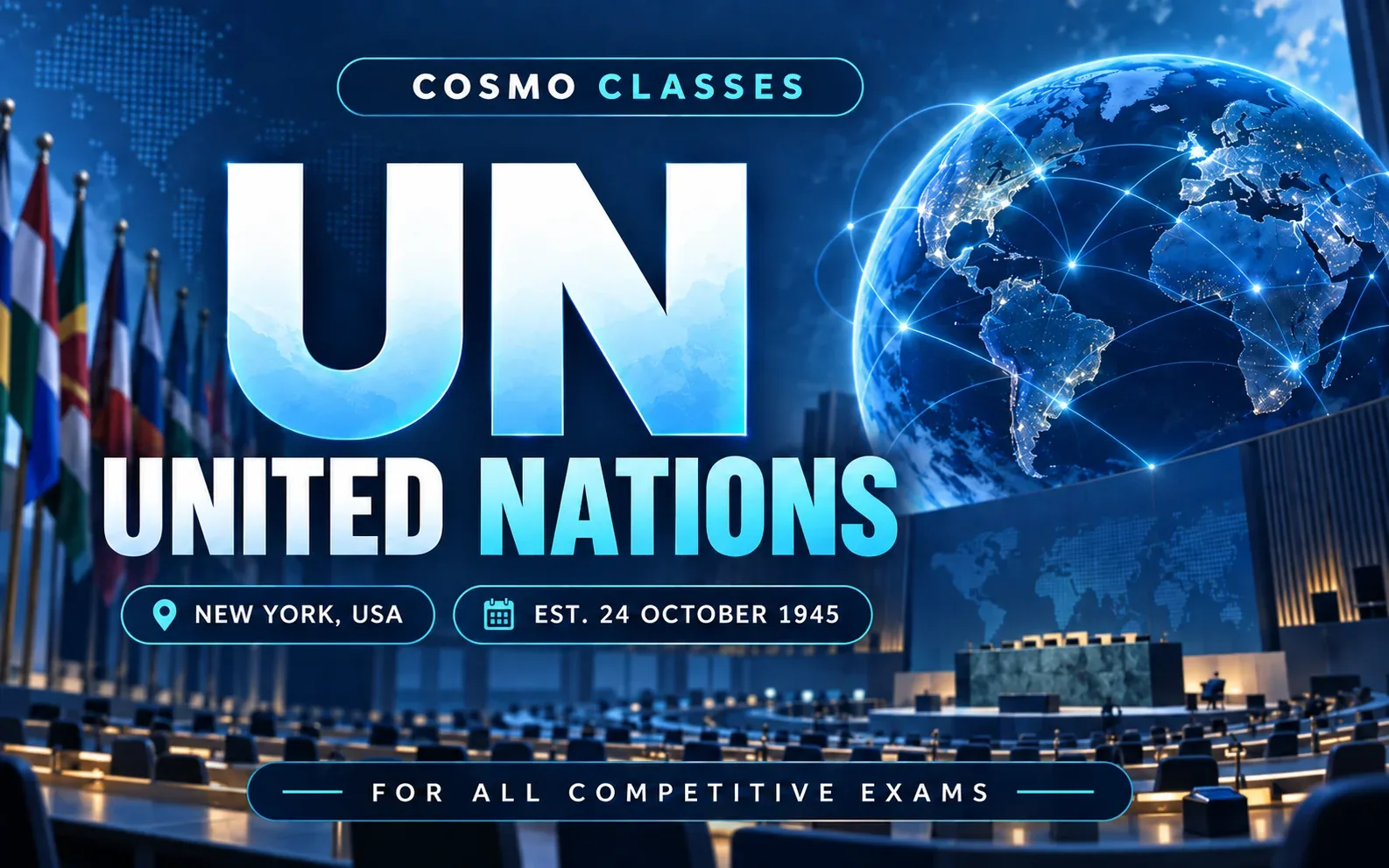
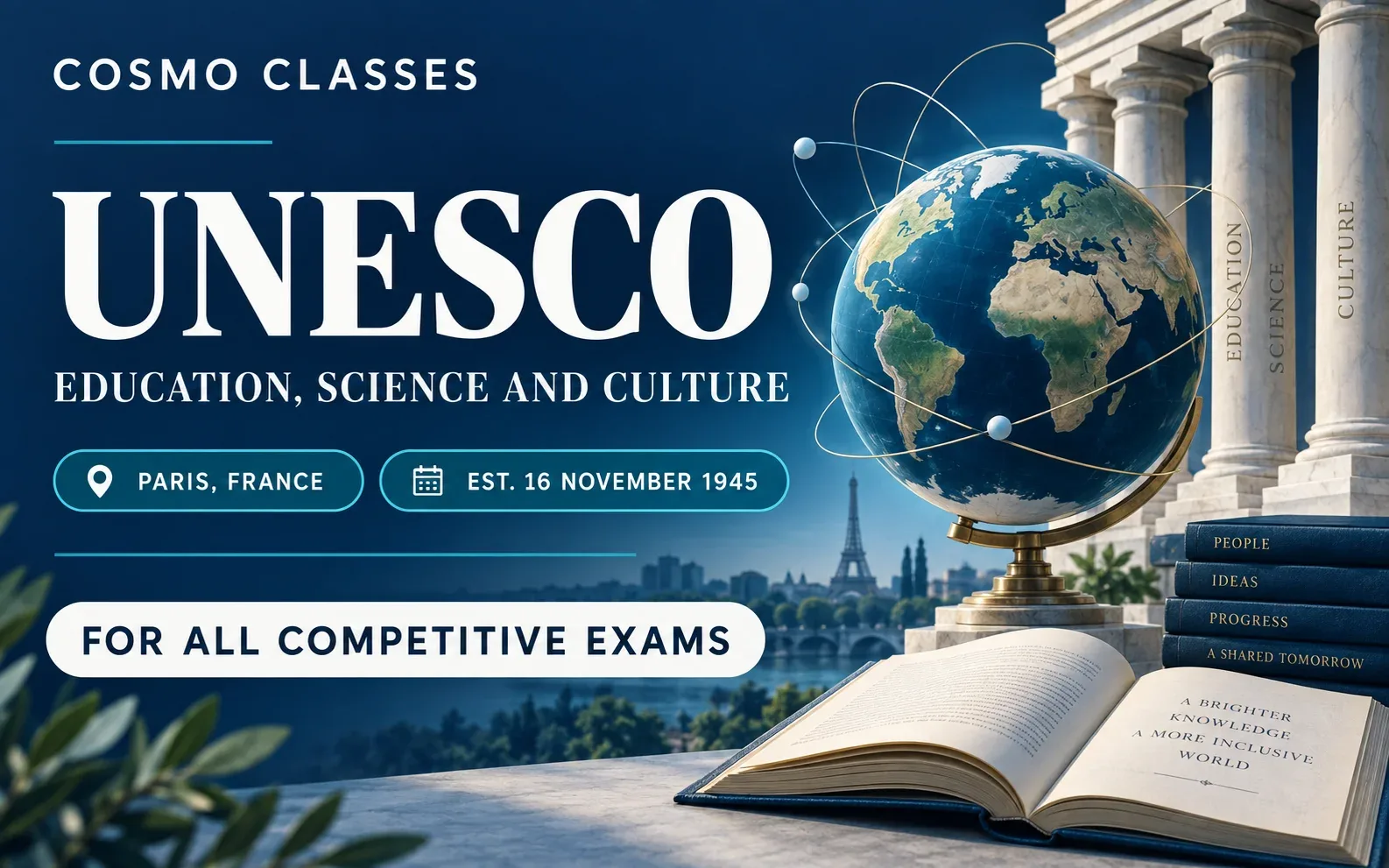
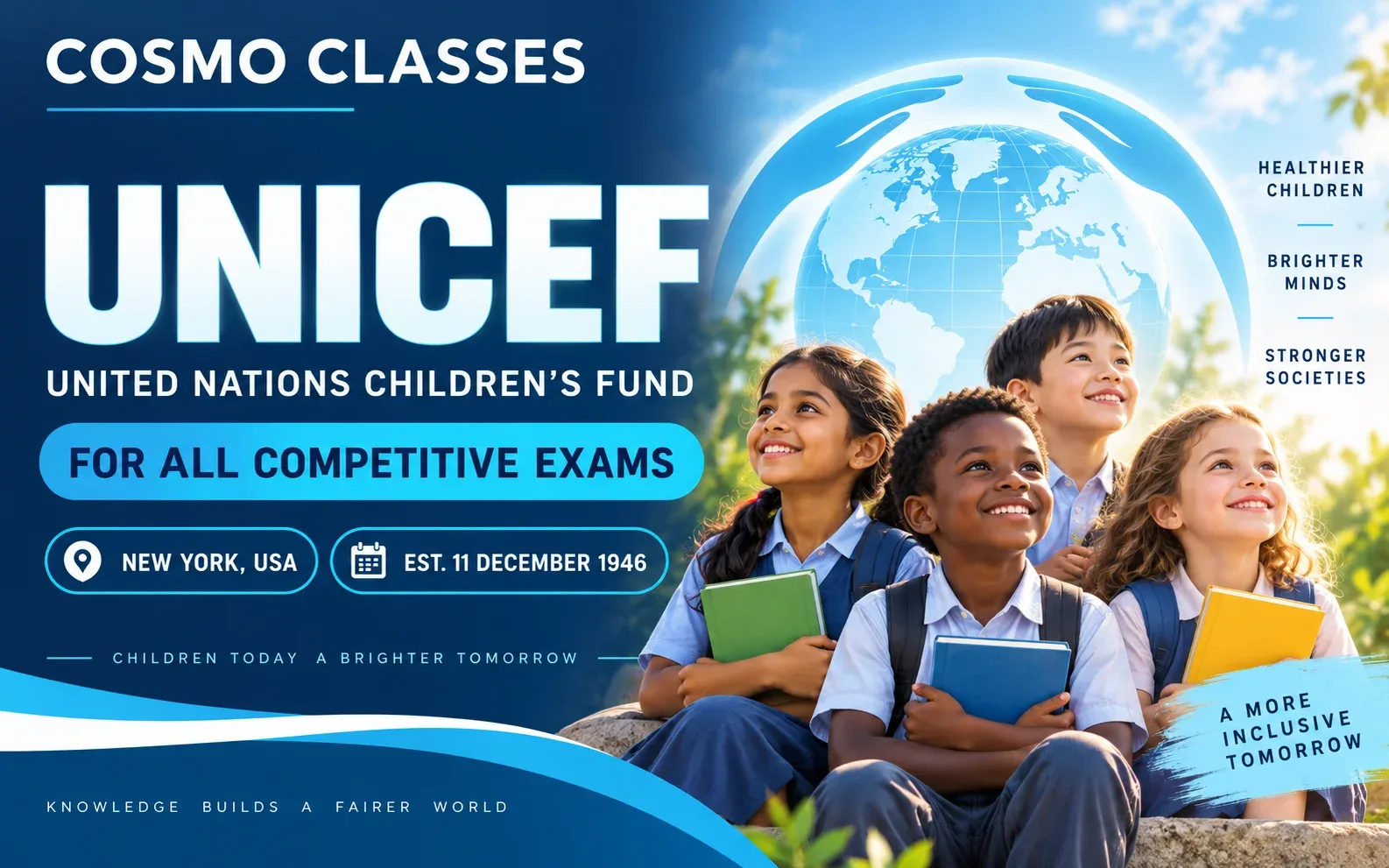

International Organizations for Competitive Exams
International Organizations are a high-scoring part of the General Knowledge & Current Affairs section in exams like UPSC, SSC, Banking (IBPS/SBI), Railway (RRB) and State PSCs. This page brings together detailed notes on major global bodies — including the United Nations (UN) and its agencies such as WHO, UNESCO, UNICEF and ILO, along with economic bodies like the IMF, World Bank, WTO and ADB, and strategic groups like NATO, ASEAN, BRICS, G20, SAARC and SCO.
What you will find here
- Full form, foundation year and headquarters of each organization
- Objectives, functions and important member countries
- Current affairs updates and recent summits
- Previous-year and practice MCQs in Hindi & English
Bookmark this category and revise these notes regularly to strengthen your Static GK and International Relations preparation for all government exams.